Local marketing
How print and digital marketing work together for local businesses
Why leaflets and flyers belong in the same plan as your website and email. Industry data on print and digital campaigns for local businesses.
- Author
- flyerfly team
- Published
- Reading time
- 3 min read
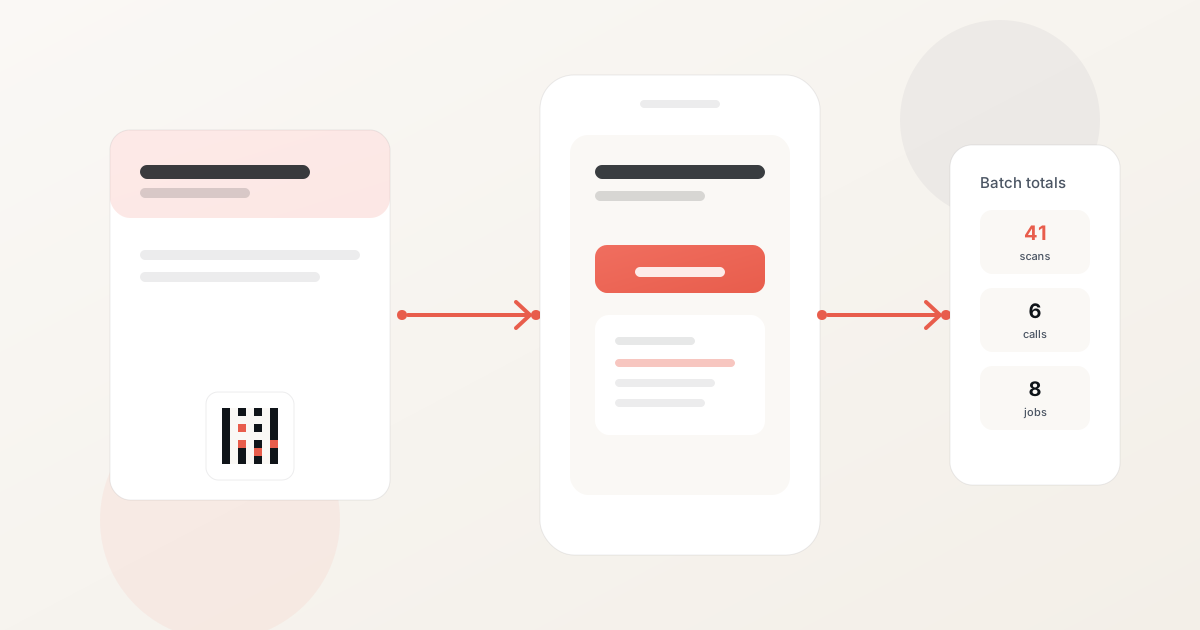
Local businesses rarely win by choosing print or digital. They win when both channels point at the same offer and when they can see which one brought the call.
Print reaches people at home before they search. Digital catches them when they look you up later. Industry data shows the two channels reinforce each other more often than they compete.
What the data says about combining channels
Gitnux's Print Marketing Statistics report (O'Brien, 2026) aggregates figures on print, email, social, and search. Points that matter for local marketing:
- Print complements digital in about 75% of campaigns in the comparisons cited.
- About 75% of consumers visit a website after exposure to print.
- Hybrid campaigns (print plus digital) are cited as delivering higher ROI than either channel alone in several studies listed in the report.
Those figures come from national and cross-industry research. Your café, clinic, or trade business will still need its own batch log. They do support a simple plan: leaflet the neighbourhood, make sure the website matches, and measure what happened.
A practical split of roles
| Channel | Job |
|---|---|
| Leaflets and flyers | Reach nearby homes with one offer |
| Website | Reviews, photos, booking, full details |
| Stay in touch with people who already bought | |
| Search and ads | Catch people actively looking for the service |
Print starts the conversation. Digital closes it when someone types your name into Google at 9pm.
Keep the message consistent
If the leaflet says "€49 boiler service, Dublin 6," the website should not show a different price or a generic national page. Mismatches kill trust faster than a weak headline.
Checklist for each leaflet run:
- Headline and price match the landing page.
- Phone number on print matches Google Business Profile and website.
- Promo code on the leaflet is unique to that batch.
- Staff know the drop date so they ask how callers heard about you.
Optional: add a QR code (the square barcode people scan with their phone camera) that opens the same offer page. flyerfly adds a tracked link per print batch so you can count visits from that drop alongside your phone logs.
Measure both sides in one log
Add a row per leaflet batch:
| Field | Example |
|---|---|
| Batch name | Oct A6 west |
| Leaflets delivered | 1,500 |
| Print cost | €320 |
| Calls tagged to batch | 9 |
| Jobs booked | 3 |
| Branded search notes | 4 callers said they Googled us after |
After day fourteen, compare batch cost per job with what you spent on ads or email that month. See how to track print marketing campaign data for the full workflow.
When print should lead the plan
Print works well when:
- You serve a defined area (one town, a set of postcodes)
- You need enquiries from people who do not know your brand yet
- You want something tangible to leave on counters or doors
Digital works well when:
- People already search for your service category
- You have an email list of past customers
- You need booking or payment online
Most owners need print for discovery and digital for proof and follow-up.
Start with one combined test
Week one: deliver 500 leaflets in one neighbourhood with a single offer and promo code.
Week two: send one email to existing customers with a different code.
Log calls and jobs for each. Check whether new enquiries mentioned the leaflet, Google, or both.
Source
Kevin O'Brien. (2026, February 13). Print Marketing Statistics. Gitnux. https://gitnux.org/print-marketing-statistics
Related reading
FAQ
Yes, for most businesses. Gitnux (2026) notes that print complements digital in a large share of campaigns. Print reaches nearby households; digital handles search, email, and follow-up.
Industry surveys cited by Gitnux suggest about 75% of consumers visit a website after seeing print. Match your landing page to the leaflet offer.
Ask how customers heard about you. Use a unique offer code per leaflet batch. If you add a scannable link, use a separate tracked link per run.
The leaflet needs a short headline, phone number, offer, and one next step. The website can hold reviews, galleries, booking forms, and full pricing.
There is no fixed split. Run a small print test in one area, log the results for two weeks, and compare cost per enquiry against your email and ad spend that month.
Related articles
Do leaflets get a better response rate than email?
How print response rates compare with email for local businesses. What industry data says about flyers, leaflets, and inbox campaigns.
Read articleWhy people still trust leaflet and flyer ads
What research says about trust in print ads versus digital. Why leaflets and flyers still work for local businesses reaching nearby customers.
Read articleHow to track print marketing campaign data
Phone logs, promo codes, landing pages, and batch spreadsheets. Practical ways to track and analyze data from leaflet and flyer campaigns.
Read article